
Custom Safari Packages
Serengeti
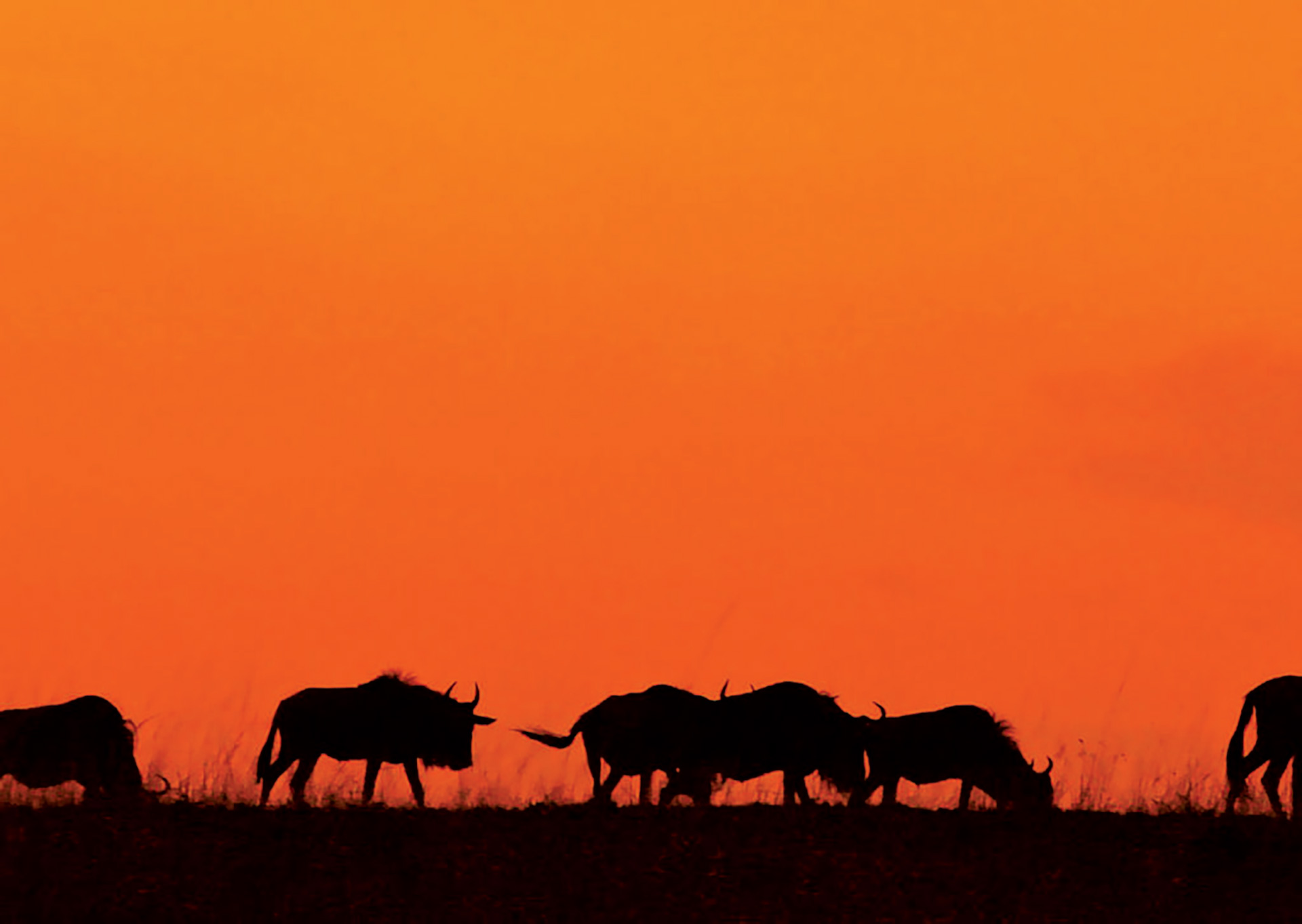
Enter one of the world’s most epic wildernesses — the Serengeti. Known for its endless golden plains, open woodland, and breathtaking wildlife, the Serengeti is home to the Great Migration, where millions of wildebeest, zebras, and gazelles move across the landscape in a breath-taking natural spectacle.
A safari in the Serengeti offers encounters with the “Big Five” — lion, leopard, elephant, buffalo, and rhino, alongside cheetahs, giraffes, and countless bird species. Whether it’s witnessing a dramatic river crossing, spotting predators on the hunt, or enjoying a tranquil sunrise over the horizon, every moment in the Serengeti is unforgettable.
From luxury lodges to tented camps beneath the stars, the Serengeti provides a once-in-a-lifetime safari experience that blends adventure, culture, and the raw beauty of Africa’s wilderness.
What is The Great Migration?
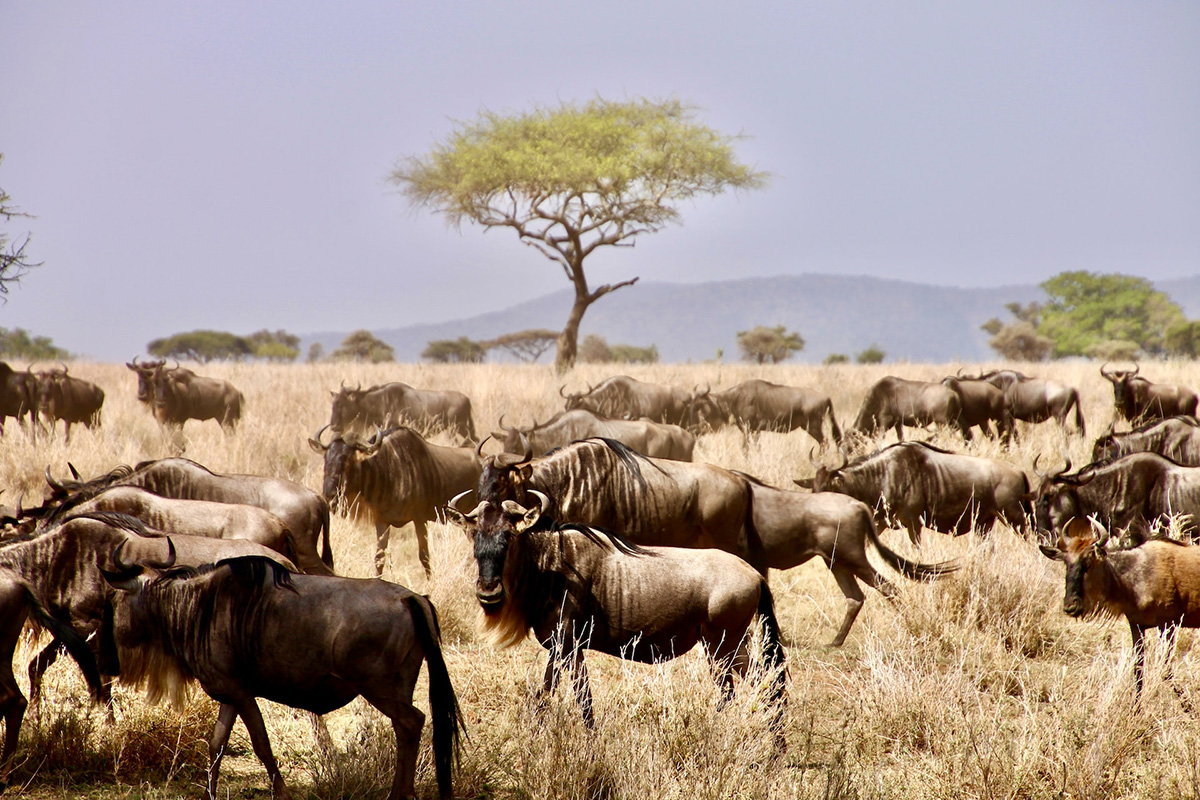
The Great Migration is the largest mammal movement on Earth — over two million wildebeest, zebras, and gazelles travel more than 800 kilometres each year across the Serengeti–Mara ecosystem.
This epic journey is driven by rainfall and the search for fresh grazing. In the wet season, herds gather on the short-grass plains of southern Serengeti, where nutritious grass and open views provide safety for calving. As the plains dry out, the wildebeest push westward and northward, facing dramatic river crossings filled with waiting crocodiles, and predators like lions and hyenas.
By late October, the herds begin their return south with the short rains, completing the cycle as they head back to the calving grounds in December. The result is a continuous clockwise movement — a living circle of life unlike anywhere else on the planet.
The Great Migration Calendar
December – April
- Southern Serengeti & Ndutu
- Calving season: thousands of wildebeest calves born within weeks
- Plains are lush after the rain
- Best time to see predator action
May – July
- Western Serengeti & Grumeti River
- Herds begin their long trek north
- River crossings at Grumeti, with crocodiles lying in wait
- Spectacular columns of wildebeest on the move
August – September
- Northern Serengeti & Masai Mara
- Dramatic Mara River crossings — the most famous part of the migration.
- Herds spread between Serengeti (Tanzania) and Masai Mara (Kenya).
October – November
- Northern & Eastern Serengeti
- Herds slowly head south as the short rains arrive
- Quieter safari experience with fewer visitors
- By December, the cycle begins again
When to Visit
The Serengeti is a year-round safari destination with incredible wildlife viewing in every season. While witnessing a dramatic river crossing can’t be guaranteed, large herds of wildebeest can usually be found if you’re in the right area at the right time:\
- Dec–May: Southeast Serengeti & Ndutu (calving season)
- May–July: Western Corridor & Grumeti River
- July–Oct: Northern Serengeti & Serengeti-Mara area
- Oct–Nov: Northern Serengeti & Lobo area
Tarangire
Being part pf the Northern Safari Circuit, Tarangire National Park is a true hidden gem, absolutely worth the visit. Picture massive baobab trees dotting golden savannahs, herds of elephants roaming free, and the Tarangire River drawing wildlife like a magnet, especially in the dry season.
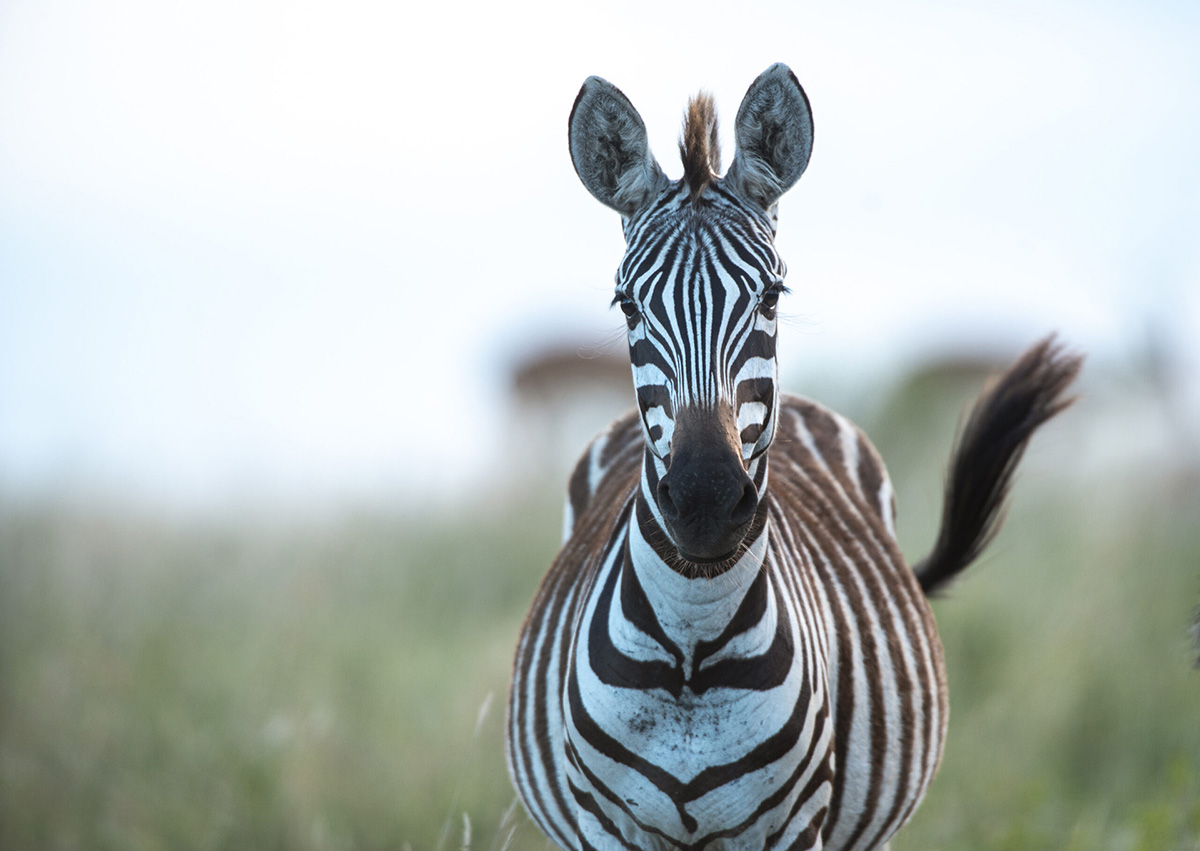
This park is elephant paradise – literally! You’ll spot them in impressive numbers, along with lions, giraffes, zebras, wildebeests, and a rainbow of birdlife. Keep an eye out for the show-stopping lilac-breasted roller, a favourite among photographers!
A visit to Tarangire can be a full-day adventure, but even a half-day game drive packs in plenty of action. And the best part? It’s just a 1 to 1.5-hour drive from Lake Manyara, making it the perfect pairing for a quick 2-day safari.
Whether you’re a first-time safari-goer or a seasoned explorer, Tarangire offers raw beauty, rich wildlife, and fewer crowds – what more could you ask for?
Lake Manyara
Tucked beneath the dramatic cliffs of the Great Rift Valley in northern Tanzania, Lake Manyara is one of Tanzania’s most scenic and surprising safari spots. Just a short drive from Arusha, this lush national park wraps around a sparkling alkaline lake that stretches like a silver mirror across the landscape, covering over 330km of sites to be explored.
But don’t let the calm waters fool you, Lake Manyara is buzzing with life. Expect to be greeted by tree-climbing lions, flamingo-filled shallows, and elephants lumbering through groundwater forests. Watch out for playful troops of baboons (some of the largest in Africa!), cheeky vervet monkeys, and if you’re lucky, a shy leopard lounging in the shade.
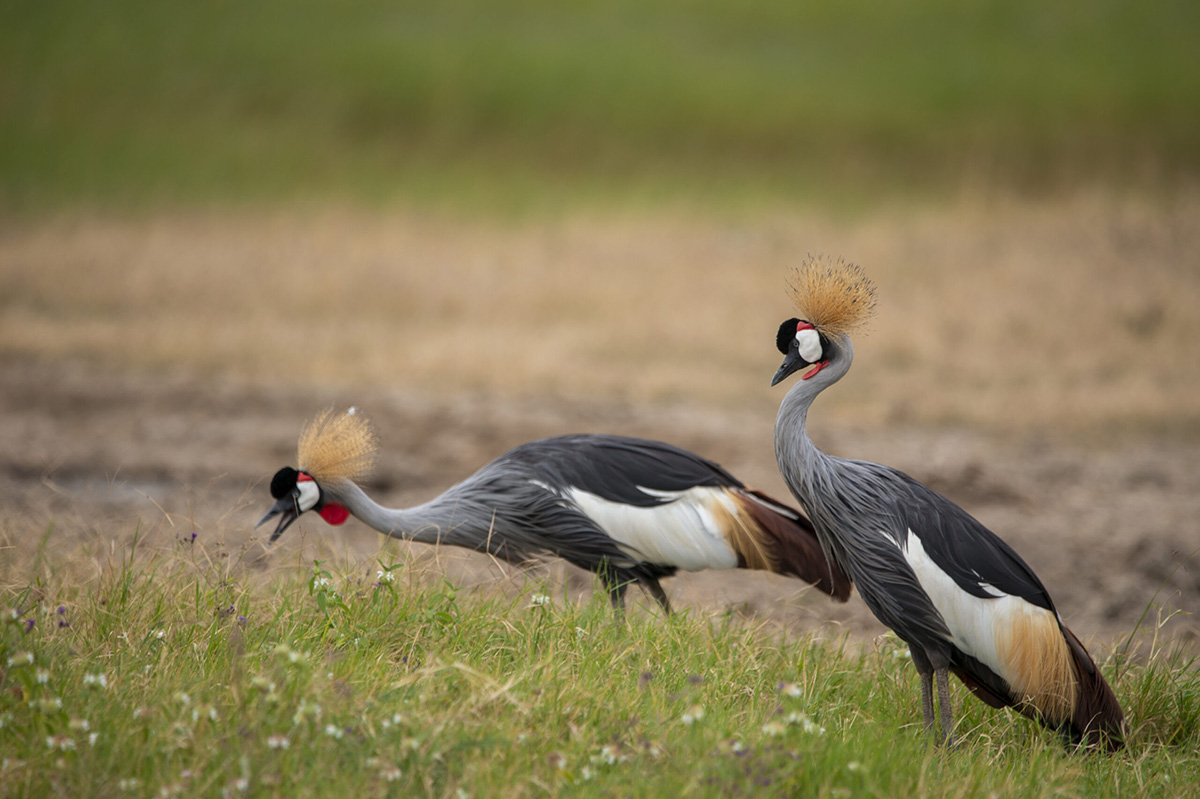
Bird lovers, bring your binoculars as Lake Manyara has recorded over 400 bird species, from pelicans and storks to the iconic pink flamingos that give the lake its surreal splash of color during certain seasons.
Lake Manyara is one of the smller parks in Tanzania which is perfect to be done in a few hours to a full day.
Planning your safari? Lake Manyara is a perfect one to add a stop to Tarangire as only approximately 1 hour away.
Ngorogoro
Ngorongoro is located in northern Tanzania, bordering the Serengeti National Park to the northwest and Lake Manyara to the east. The area spans over 8,292 square kilometers so there is plenty to see and possibilities endless to absorb the beauty of the plains.
The centerpiece of the park is the Ngorongoro Crater, the world’s largest intact, unfilled volcanic caldera, formed millions of years ago when a massive volcano collapsed. Today, it’s a lush, wildlife-rich basin with 610 meters deep and 20 kilometers wide, creating a natural enclosure for wildlife.
Ngorongoro is one of the best places in Africa to see wildlife up close. You can expect to see:
- The Big Five: lions, elephants, leopards, buffaloes, and rare black rhinos
- Wildebeest, zebras, gazelles, and elands
- Monkeys
- Hyenas, jackals, cheetahs, and sometimes caracals
- Hippos in freshwater pools
- Over 500 bird species, including flamingos, ostriches, and crowned cranes
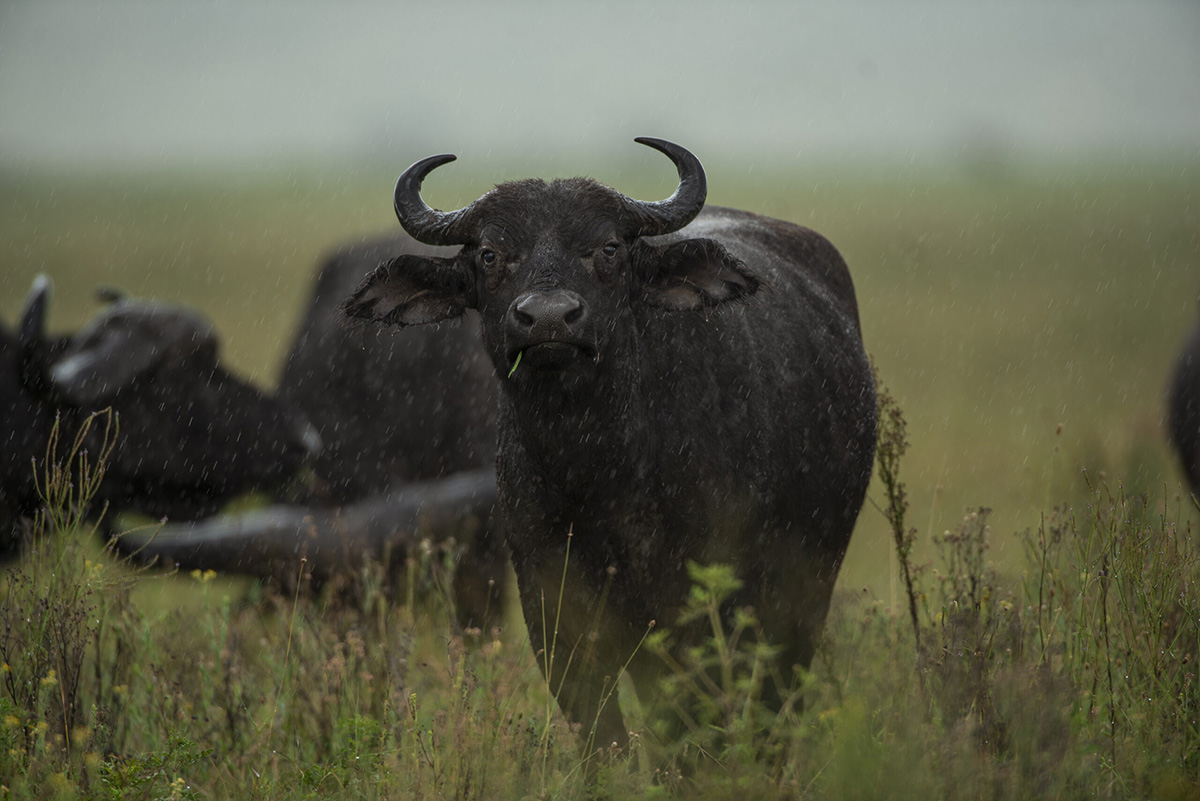
Because the crater is enclosed, animals rarely migrate out, making sightings frequent and spectacular. Picture herds of elephants strolling past shimmering lakes, lions lounging in golden grasslands, and flamingos painting the horizon pink.
Enter the surreal with Surreal Tanzanian Adventures.
Mkomazi National Park
Nestled in Northern Tanzania near the Kenyan border, Mkomazi National Park is one of the country’s most underrated safari destinations. Covering over 3,200 square kilometers, Mkomazi lies in the shadow of Mount Kilimanjaro and the Usambara Mountains, offering a unique blend of arid savannah, dramatic mountain backdrops, and rare wildlife encounters. Unlike the more famous parks on the northern circuit, Mkomazi remains quiet and unspoiled, making it perfect for travellers seeking a more exclusive and authentic safari experience. It shares an ecosystem with Kenya’s Tsavo National Park, forming one of the largest and most important protected ecosystems in East Africa. It’s also home to the Mkomazi Rhino Sanctuary, where visitors can see the critically endangered black rhino, one of the few places in Tanzania where this is possible.
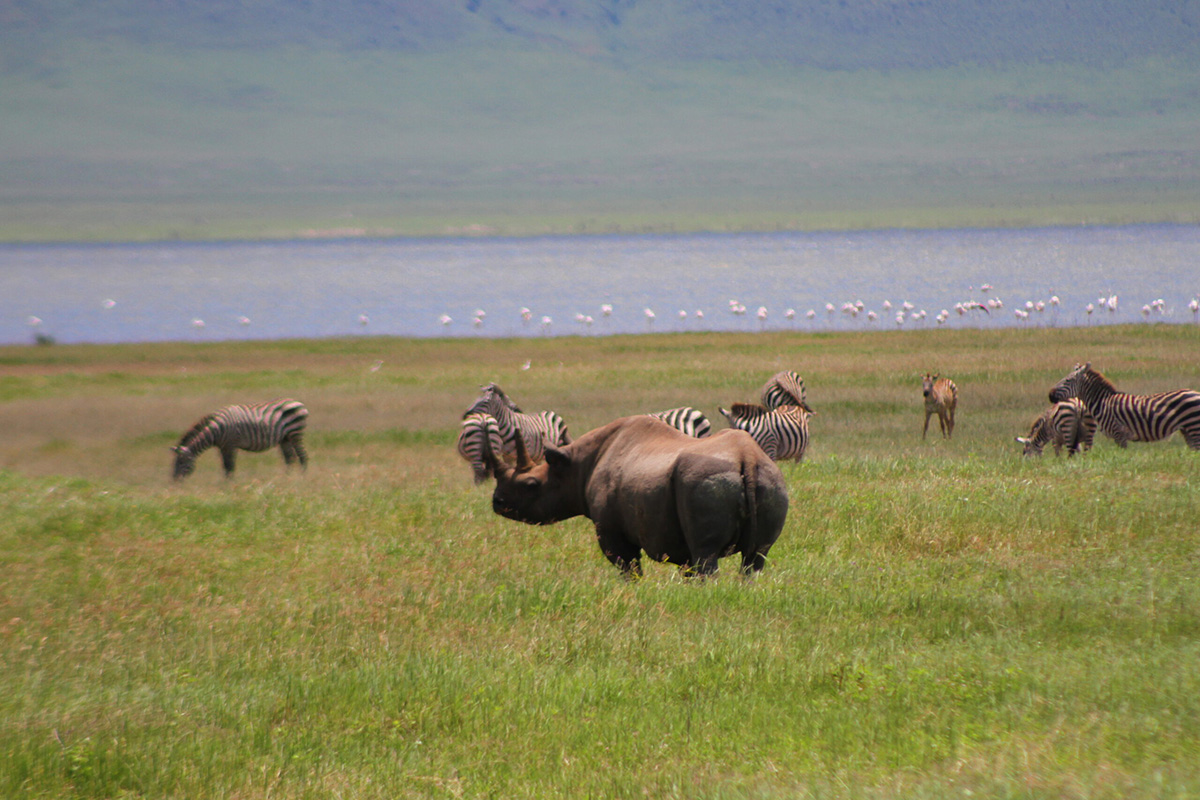
While not as densely populated as Serengeti, Mkomazi boasts a rich variety of wildlife, including:
- African wild dogs (increasingly rare elsewhere)
- Elephants, giraffes, zebras, buffalo
- Large populations of oryx, lesser kudu, and eland
- Over 450 bird species, including ostriches, hornbills, and secretary birds
- Rare sightings of cheetahs and leopards
- The park’s dry, open plains are framed by rolling hills and baobab-dotted landscapes, making it a photographer’s dream.
Good to know:
Duration: 1 day
Best Time to Visit: June – October (dry season for best game viewing)
Activities: Game drives, birdwatching, rhino sanctuary visits, walking safaris (in designated areas), cultural visits with the local Sambaa and Pare tribes.
Arusha National Park
Discover Arusha National Park – Tanzania’s Hidden Gem
Nestled in northern Tanzania, just northeast of Arusha city, Arusha National Park offers breathtaking scenery and abundant wildlife. Dominated by the majestic majestic Mount Meru and covering 552 km², the park is home to the world’s largest population of giraffes, along with elephants, zebras, hippos, and countless bird species including flamingos and crowned cranes.
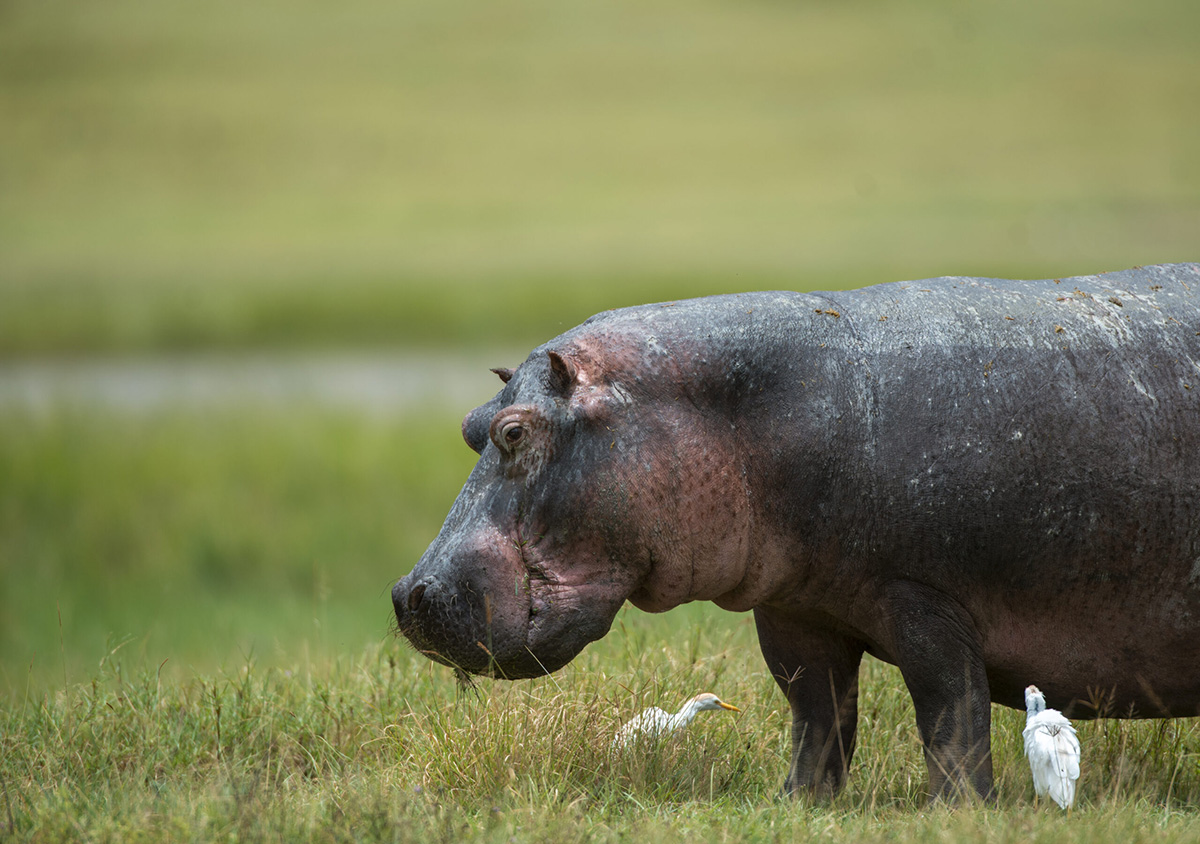
Only a short 40-minute drive from Kilimanjaro International Airport, the park features lush rainforests, sweeping savannahs, and the shimmering Momella Lakes that change color with the light. Visitors can explore the dramatic Ngurdoto Crater, enjoy scenic walks, or embark on thrilling game drives — all in a single day or as part of a longer safari.
Whether you’re seeking adventure or tranquility, Arusha National Park is the perfect introduction to Tanzania’s natural wonders.